


BLOG
Antique Furniture Restoration Sydney: Preserving the Beauty and Character of Fine Furniture

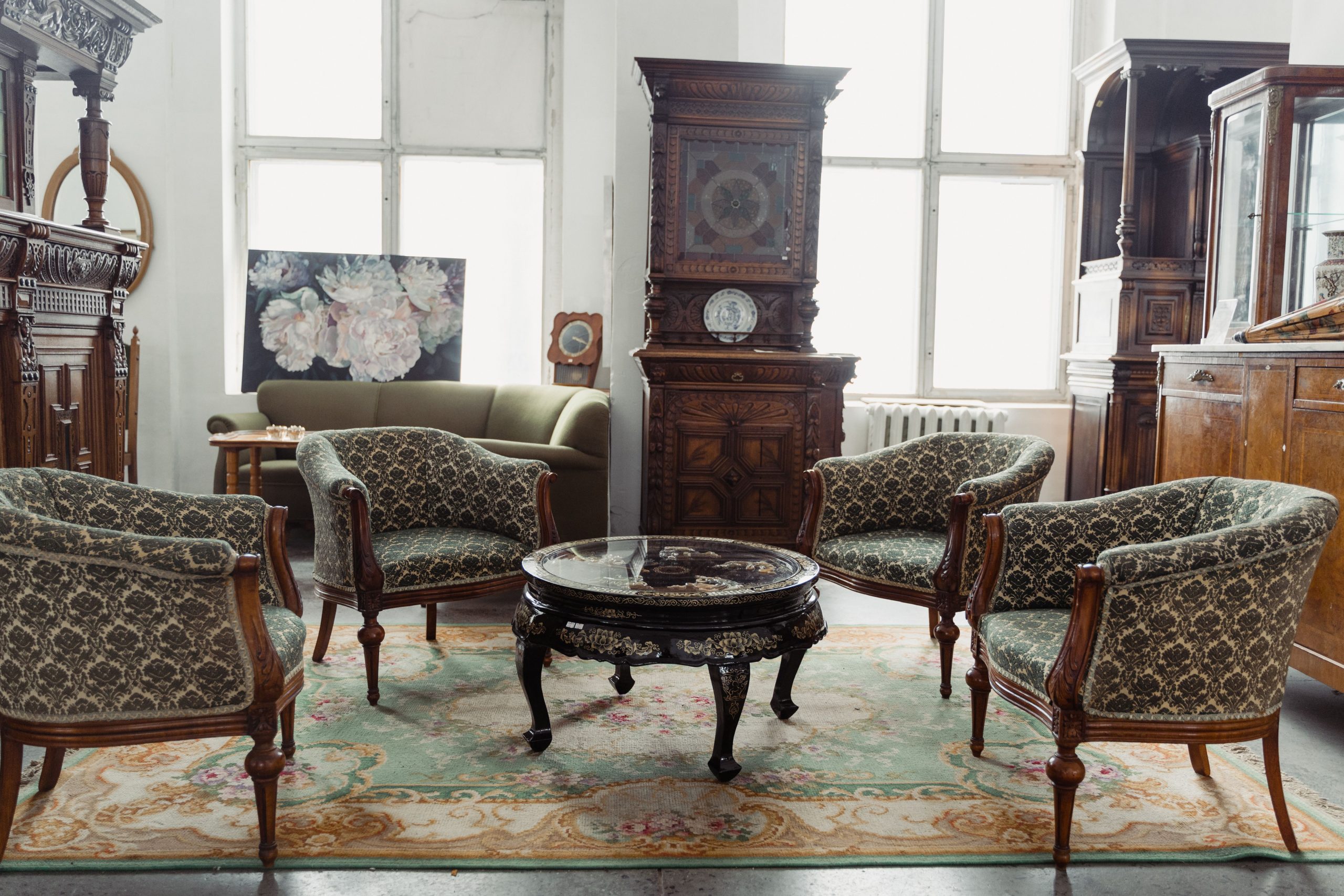
Antique furniture so much more than something you place in a room. A beautifully made table, cabinet, chair, desk or chest can represent decades—or even generations—of craftsmanship, history and memories. When these pieces begin to show their age, replacing them is rarely the most satisfying solution.
Professional antique furniture restoration in Sydney can give a treasured piece a new chapter while respecting the qualities that made it special in the first place.
At Camargue, our appreciation for traditional furniture extends beyond creating beautiful new pieces. We understand the workmanship, materials and attention to detail found in quality furniture, and we approach restoration with the aim of bringing tired or damaged pieces back to life.
Whether you have inherited a family heirloom, discovered a promising antique or simply own a much-loved piece that has suffered years of use, careful restoration can help preserve its beauty and functionality for years to come.
What Is Antique Furniture Restoration?
Antique furniture restoration is the process of repairing and revitalising older furniture while retaining as much of its original character as possible.
Unlike simply refinishing a modern piece, antique restoration requires careful judgement. Age-related marks and subtle variations can contribute to an item’s personality and history. Removing every sign of age is not necessarily the objective.
Instead, a successful restoration seeks an appropriate balance between preservation, appearance and practical use.
Depending on the piece and its condition, restoration may involve repairing damaged timber, stabilising loose joints, attending to worn surfaces, addressing scratches or stains, repairing damaged components and renewing an appropriate finish.
The work required can vary considerably from one item to another. That is why an experienced assessment is an important first step.
Why Restore Antique Furniture Instead of Replacing It?
There are many reasons Sydney homeowners choose restoration rather than buying something new.
Preserve sentimental value
Some furniture simply cannot be replaced.
A dining table may have hosted decades of family celebrations. A cabinet might have belonged to a grandparent. An old desk may carry memories that make its value far greater than its price on the open market.
Restoration allows these pieces to continue being enjoyed rather than being stored away because they are damaged or no longer presentable.
Retain traditional craftsmanship
Many antique and vintage pieces were made using quality materials and traditional construction techniques. Solid timber, carefully constructed joints and hand-finished details can give older furniture a character that is difficult to reproduce in mass-produced alternatives.
When the underlying piece remains sound, restoration can be a worthwhile way of preserving that workmanship.
Give quality furniture a longer life
Furniture inevitably experiences wear.
Tabletops acquire scratches and marks. Chair joints loosen. Finishes become dull. Cabinet doors can require adjustment. Timber surfaces may be affected by years of sunlight, moisture, movement and everyday handling.
These issues do not necessarily mean that a quality piece has reached the end of its useful life.
Appropriate restoration can address deterioration and help extend the furniture’s lifespan.
Make a more sustainable choice
Restoring existing furniture also reduces the need to discard an otherwise useful piece and purchase a replacement.
Keeping well-made furniture in use for longer makes practical sense and supports a more considered approach to furnishing a home.
Common Signs Your Antique Furniture May Need Restoration
Some damage is obvious, while other deterioration develops gradually.
It may be time to consult a furniture restoration specialist if you notice:
- loose or unstable joints;
- cracked, chipped or damaged timber;
- scratches, stains or water marks;
- faded or uneven finishes;
- damaged edges or decorative details;
- drawers that no longer operate correctly;
- doors that have become difficult to open or close;
- unstable legs or frames;
- missing or damaged components; or
- a surface that has become dull, tired or inconsistent.
Early attention can be particularly worthwhile where structural problems are involved. Continuing to use an unstable chair, table or cabinet may place additional stress on already weakened components.
The Antique Furniture Restoration Process
Every restoration project is different, but a considered process generally begins by understanding the piece itself.
1. Assessment
Before work begins, the furniture should be examined carefully.
The restorer considers its construction, materials, condition, areas of damage and the desired outcome. This is also an opportunity to distinguish between genuine deterioration and age-related character that may be worth retaining.
2. Structural repairs
Where necessary, structural problems are addressed so the furniture can function properly.
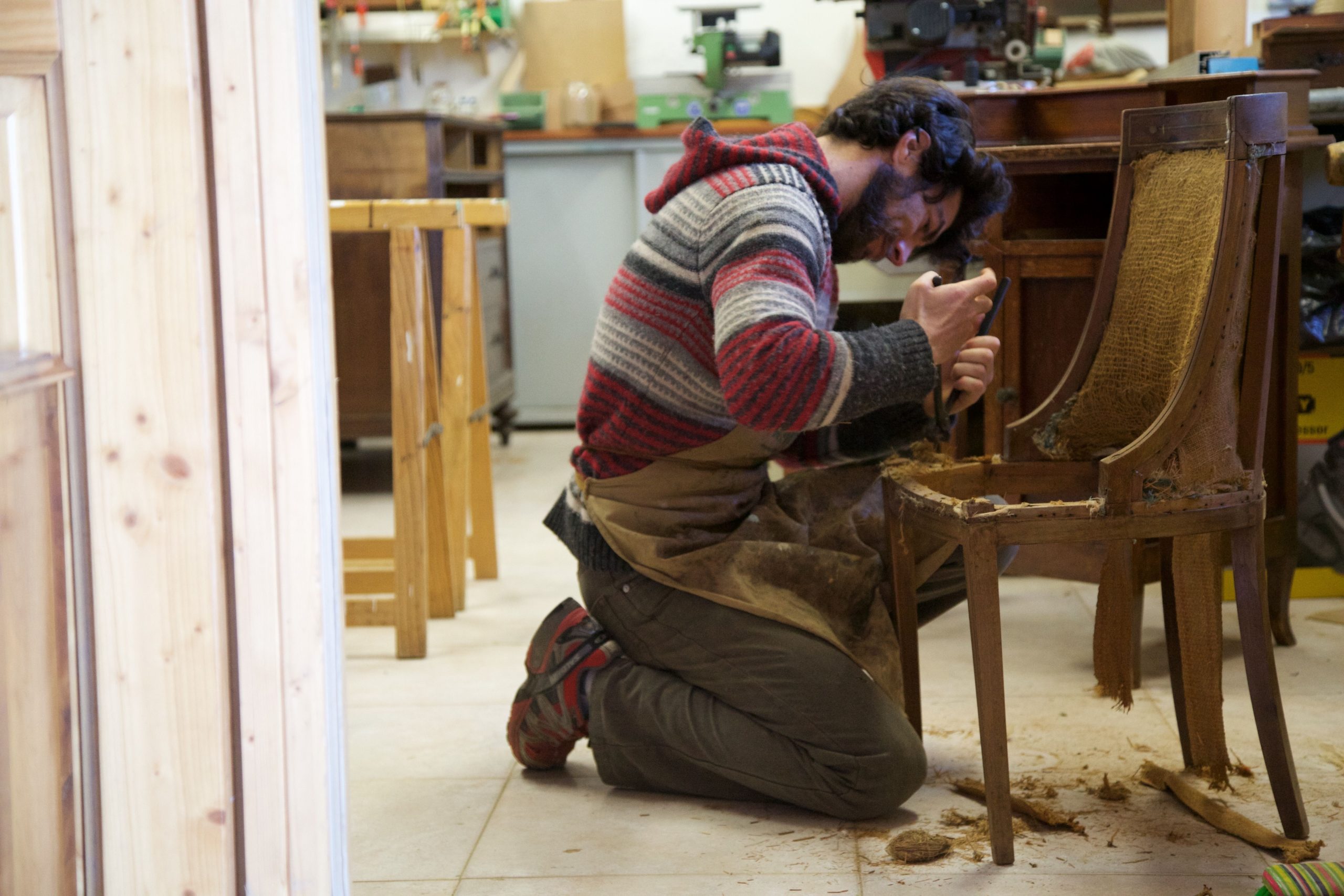
Loose joints, unstable frames and damaged components may require careful repair. The objective is not merely to improve appearance but also to return appropriate strength and usability to the piece.
3. Surface preparation
Years of use can leave furniture with dirt, marks, scratches and deteriorated coatings.
Surface preparation needs to be approached carefully, particularly with older furniture. Excessively aggressive work can remove details and character that should have been preserved.
The appropriate method depends on the timber, existing finish and overall condition.
4. Repairing damaged areas
Chips, cracks, worn edges and other damage can then be addressed.
Successful repair work should complement the original piece rather than drawing attention to itself. This requires an understanding of materials, colour, texture and traditional furniture construction.
5. Finishing
The finish has a significant influence on the final appearance of restored furniture.
Rather than simply making an antique appear “new”, the goal should be a finish that suits the style and character of the piece while providing appropriate protection for future use.
Restoring Different Types of Antique Furniture
One of the pleasures of antique furniture restoration is the enormous variety of pieces that can benefit from skilled attention.
Antique tables
Dining, occasional, side and console tables often experience significant surface wear. Scratches, water marks, damaged edges and tired finishes can detract from otherwise beautiful timber.
Restoration can reveal the richness of the material while retaining the character that has developed over time.
Chairs and seating
Older chairs may suffer from loose joints, unstable frames and worn components. Because seating must safely support regular use, structural integrity is particularly important.
Cabinets, sideboards and bookcases
Cabinet furniture can develop issues with doors, drawers, hinges, joints and surfaces. Restoration may combine structural repairs with detailed cosmetic work to return both function and appearance.
Desks
An antique desk often combines practical usefulness with considerable decorative appeal. Restoring a quality desk can make it suitable for contemporary use without losing the qualities associated with its age.
Furniture with mixed materials
Not every antique consists solely of timber. Some pieces incorporate stone, metal and other decorative materials.
Camargue’s furniture restoration experience includes pieces containing stone and metal components, allowing the restoration to consider the furniture as a complete object rather than concentrating solely on its timber elements.
Should Antique Furniture Look Brand New After Restoration?
Usually, that should not automatically be the goal.
One of the defining qualities of an antique is its history. Subtle signs of age can add warmth, depth and individuality.
An experienced restoration approach considers which imperfections should be repaired and which characteristics contribute positively to the piece.
The ideal result is often furniture that looks cared for rather than artificially new: structurally sound, attractive and ready to be enjoyed while still retaining a sense of age and authenticity.
Choosing an Antique Furniture Restoration Specialist in Sydney
Antique restoration requires more than basic furniture repair skills.
Before entrusting a valuable or sentimental piece to someone, consider whether they understand traditional furniture construction, quality materials and appropriate finishes. Ask how they intend to approach the restoration and whether preserving the original character of the piece forms part of their process.
It is also important to communicate what you want from the project.
Are you hoping to make an heirloom functional again? Improve the appearance of a prominent dining table? Repair damage while retaining the existing patina? Restore an antique purchase before introducing it into your home?
The intended outcome can influence the restoration approach.
Antique Furniture Restoration for Sydney Homes
Sydney interiors range from traditional period homes to contemporary apartments and architect-designed residences. Antique furniture can work beautifully in all of these environments.
A restored Georgian-style table, French-inspired cabinet or traditional timber chest can create contrast in a contemporary room. In a classic interior, antique furniture can reinforce a sense of continuity and authenticity.
Rather than viewing older furniture as something that must match every other item in the room, consider it as an individual statement.
Quality pieces often become focal points precisely because they have a story and character of their own.
Why Consider Camargue for Furniture Restoration?
Camargue has a longstanding connection with traditional furniture, antiques and bespoke furniture making in Sydney.
Our understanding of furniture extends from the design and creation of custom pieces to giving existing furniture renewed life through restoration. This combination provides a valuable appreciation of construction, proportion, materials and finishing.
We believe a treasured piece deserves thoughtful attention.
Whether the furniture has been in your family for generations or is a recent antique discovery, the objective is to understand what makes the piece worth preserving and determine an appropriate way to restore it.
Give Your Favourite Furniture a New Chapter
Age does not have to mean the end of a beautiful piece of furniture.
With the right approach, an antique table, cabinet, chair, desk or other treasured item can continue to play an important role in your home for many years.
If you are considering antique furniture restoration in Sydney, speak with Camargue about your piece and what you would like to achieve.
From carefully addressing signs of wear to restoring functionality and enhancing the natural beauty of quality materials, thoughtful restoration can allow you to fall in love with your furniture all over again.
Contact Camargue today to discuss your antique or treasured furniture restoration project in Sydney.